
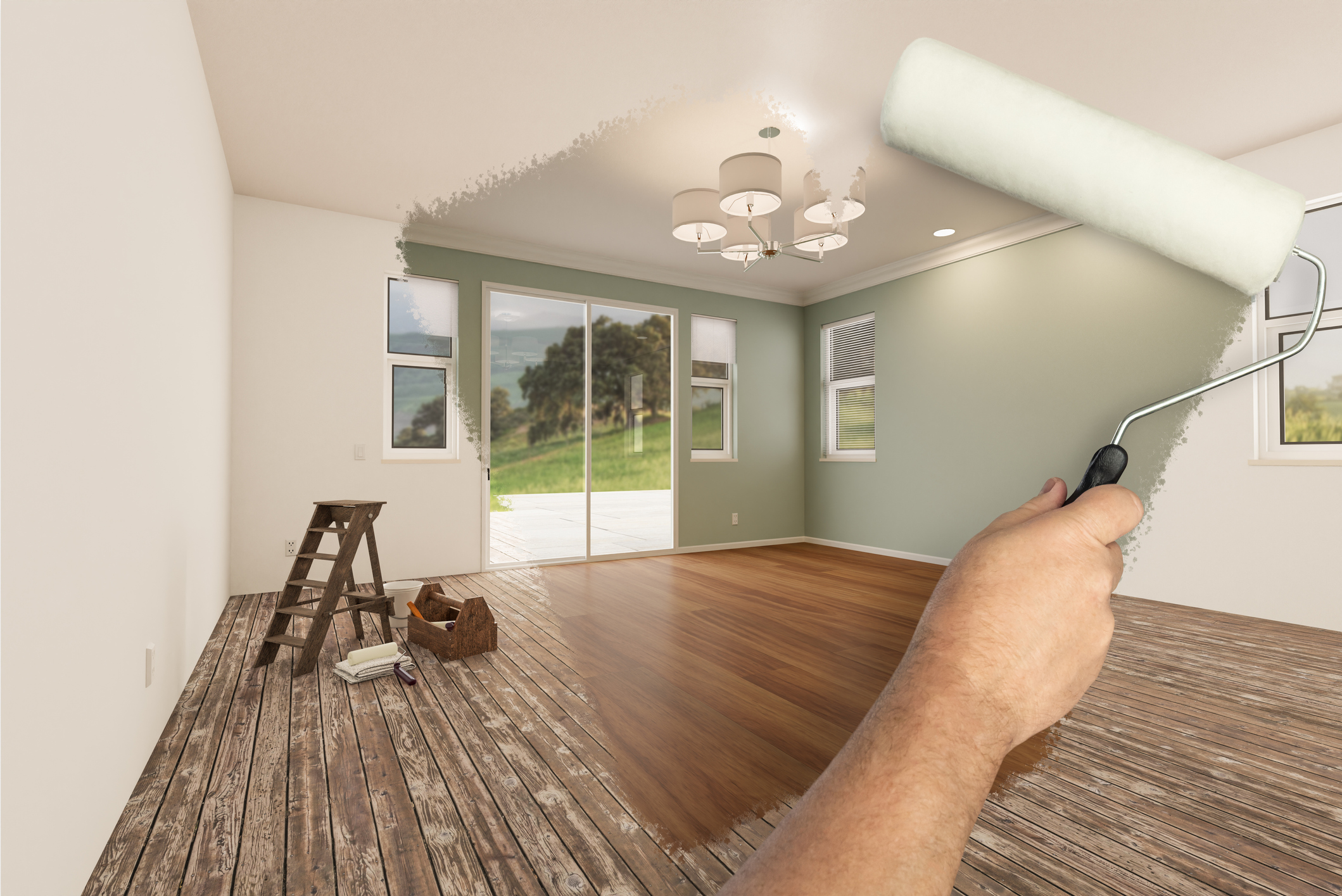
Not every home problem requires a contractor—but some definitely do.
In Rhode Island homes—especially older construction—you’ll run into a mix of small fixes and larger issues. Knowing the difference can save you time, money, and prevent bigger problems down the road.
Here are several common home repairs many homeowners can handle themselves—and where to be cautious.
Fixing a Running Toilet
A constantly running toilet is one of the most common household issues.
In most cases, the problem is inside the tank:
- Worn flapper
- Improper float level
- Faulty fill valve
These parts are inexpensive and relatively easy to replace once you understand how the system works.
Repairing a Leaky Faucet
Before starting:
- Turn off the water at the shut-off valve
Faucet leaks are usually caused by:
- Worn washers
- Cartridges
- O-rings
The repair depends on the faucet type, but most fixes are straightforward and low-cost.
Troubleshooting a Garbage Disposal
If your kitchen disposal stops working, it may not need replacement.
Try this first:
- Turn off power (unplug or breaker)
- Use a hex key (Allen wrench) to manually reset or free the motor
Often, the unit is simply jammed—not broken.
Clearing a Slow or Clogged Kitchen Drain
Start with the basics:
- Check the disposal (if applicable)
- Use a plunger
- Try a hand auger (drain snake)
⚠️ Avoid overusing chemical drain cleaners—these can damage pipes, especially in older Rhode Island homes.
Painting a Room
Painting is one of the most effective DIY upgrades.
Key steps:
- Proper surface prep (cleaning, patching, sanding)
- Use quality primer where needed
- Apply even coats
For single rooms, DIY makes sense. For full-house projects, hiring a professional often delivers better results and efficiency.
Fixing Stuck Windows
Stuck windows are common, especially in wood-framed homes.
Causes include:
- Swelling from humidity
- Paint buildup
- Seasonal movement
In some cases, a putty knife or light prying will free the window. More persistent issues may require sanding or adjustment.
Replacing a Light Fixture
This is a manageable DIY task if done safely.
Before starting:
- Turn off power at the circuit breaker
- Confirm power is off
Basic fixture replacements are straightforward, but always follow proper wiring practices.
When to Call a Professional
Some issues should not be handled as DIY:
- Roof leaks
- Electrical wiring inside walls
- HVAC system failures
- Structural concerns
Attempting these without proper experience can lead to:
- Safety risks
- Code violations
- Higher repair costs later
Final Thought
DIY repairs are a great way to maintain your home—but knowing your limits is just as important as knowing how to fix something.
In Rhode Island homes, especially older properties, small issues can sometimes point to larger underlying problems.