
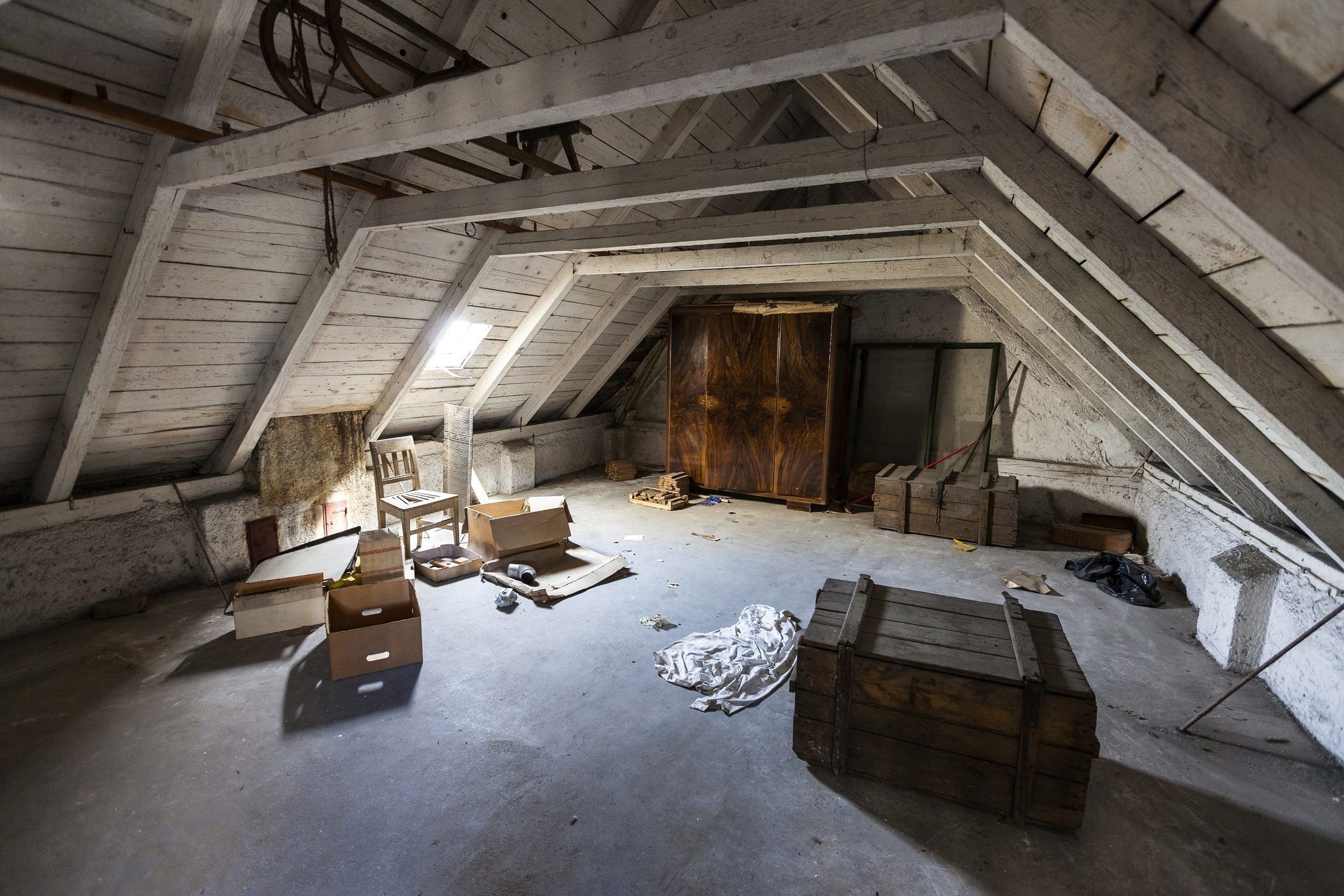
Most homeowners think of the attic as a place for storage—holiday decorations, old luggage, and not much else.
But in reality, your attic is one of the most important—and most overlooked—parts of your home.
In Rhode Island, where we deal with cold winters, humid summers, and coastal moisture, attic conditions directly impact:
- Energy efficiency
- Roof lifespan
- Indoor air quality
After working on homes throughout Newport County, I can tell you that many of the issues homeowners face—high energy bills, drafts, moisture problems—often start in the attic.
Proper Insulation Makes a Big Difference
If your heating costs are high in winter or your AC struggles in summer, your attic insulation may be inadequate.
Signs of poor insulation:
- Uneven temperatures between rooms
- Ice dams forming in winter
- High energy bills
- Rooms that are hard to heat or cool
The right insulation depends on:
- Your home’s construction
- Existing materials
- Required R-value for Rhode Island climate
A proper assessment can identify gaps and determine the best upgrade approach.
Your Attic Needs to Breathe (Ventilation Matters)
Insulation alone isn’t enough—your attic also needs proper ventilation.
Without ventilation, you can get:
Winter:
- Ice dams (caused by uneven roof temperatures)
- Water backing up under shingles
Summer:
- Heat and humidity buildup
- Mold and mildew growth
- Premature roof deterioration
Good ventilation helps regulate both temperature and moisture.
⚠️ Important:
Blocking vents to “save heat” is a common mistake and often makes problems worse.
Air Leaks Reduce Efficiency
Your attic should be controlled—not wide open to airflow.
Air leaks allow:
- Cold air in during winter
- Hot, humid air in during summer
Common signs:
- Drafty rooms
- Dry indoor air in winter
- Hot or cold spots throughout the house
- Warping or movement in materials over time
Sealing air leaks (around penetrations, top plates, fixtures) is one of the most effective ways to improve energy performance.
Attics Are Increasingly Used as Living Space
Many homeowners are now looking to convert attic space into usable areas.
Before doing that, you need to consider:
- Structural capacity
- Insulation and ventilation upgrades
- Egress requirements
- Local zoning (setbacks, lot coverage, height restrictions)
In Rhode Island, these factors vary by property and location, so planning is critical before starting a conversion.
What Should You Look for in Your Attic?
Even a basic visual inspection can reveal issues:
- Signs of moisture or staining
- Mold or mildew
- Compressed or missing insulation
- Blocked vents
- Air gaps or penetrations
Catching these early can prevent more expensive repairs later.
Final Thought
Your attic isn’t just storage—it’s a key part of how your home performs.
In Rhode Island homes, especially older ones, the combination of insulation, ventilation, and air sealing determines:
- Comfort
- Efficiency
- Long-term durability
Ignoring it can lead to problems. Paying attention to it can solve them.