
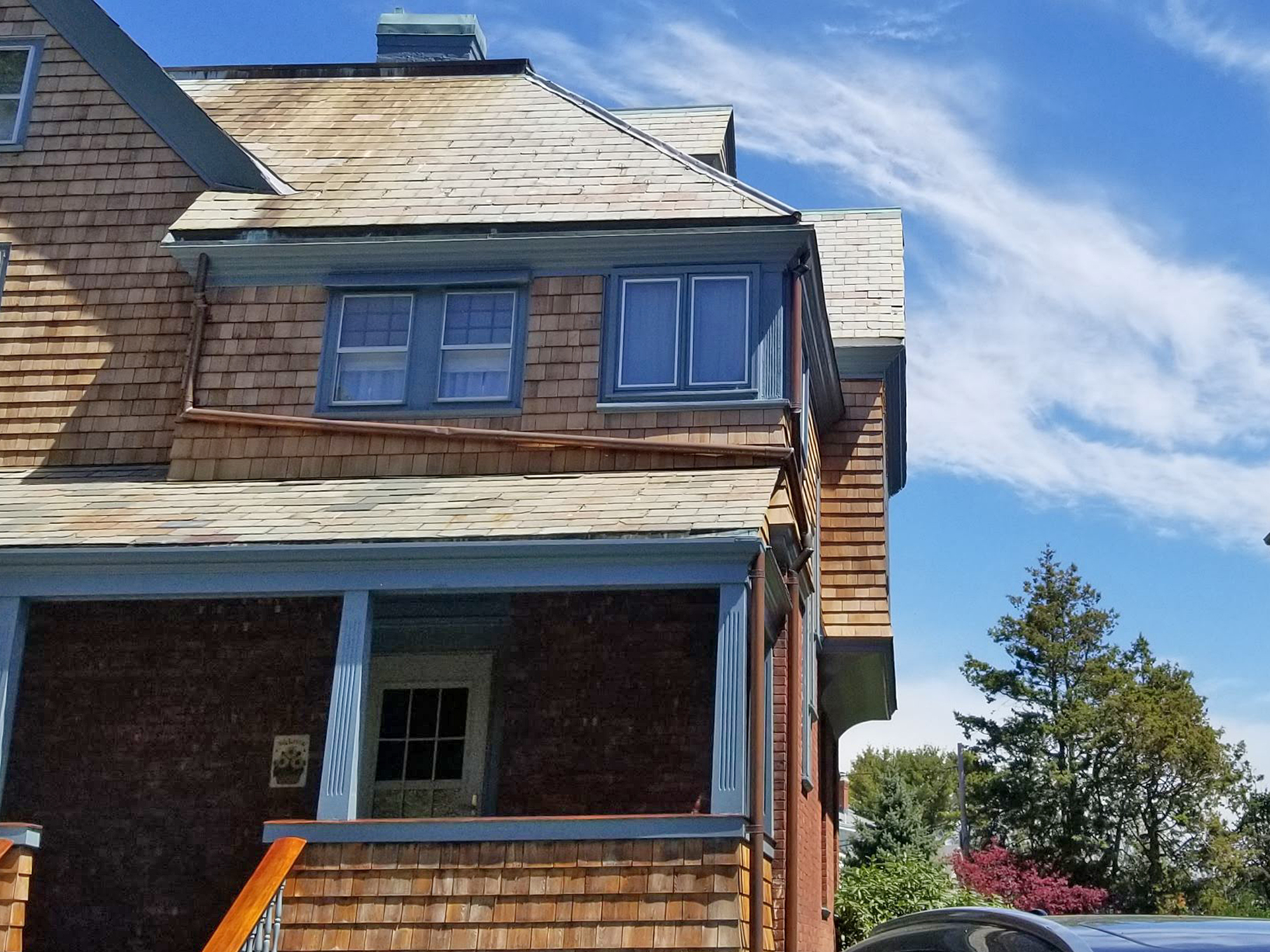
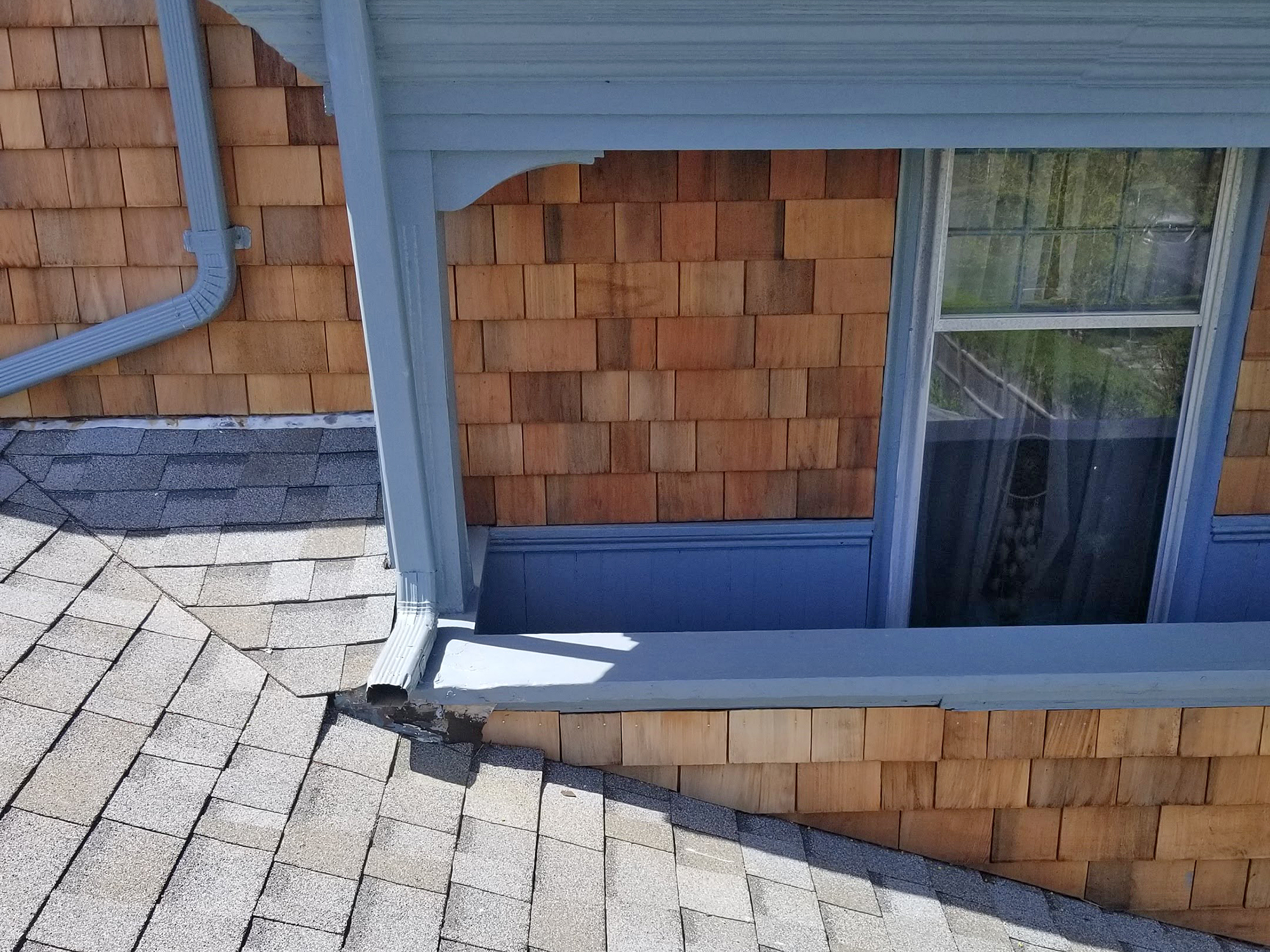
Cedar Shingle Roofing and Siding in Newport County, Rhode Island (What Actually Lasts)
Red cedar shingles have been used for generations—but the way they are installed today has changed significantly.
Over the last 40 years, manufacturers and builders have introduced new systems to address failures seen from the 1950s through the 1990s. The results have improved—but understanding why those failures occurred is critical to getting it right today.
At Newport Construction Services, we’ve worked through these changes firsthand and understand what makes cedar systems last—and what causes them to fail.
How Cedar Shingles Were Originally Installed
Before plywood roof decking became standard, cedar shingles were installed over skip sheathing.
The concept was simple:
👉 Allow the shingles to breathe
- Airflow moved behind the shingles
- Moisture dried quickly
- Fasteners lasted longer
- The wood maintained its integrity
This system promoted long-term performance.
What Changed (And Why Problems Started)
With the widespread use of plywood and felt paper in the late 1970s and 1980s, installation methods changed.
The issue:
- Plywood blocked airflow
- Felt paper trapped moisture
- Shingles stayed wet longer
At the same time:
- Red cedar naturally produces a mild acid when wet
- This accelerated fastener corrosion
The result:
- Premature shingle failure (often within 20 years)
- Fastener degradation
- Reduced roof lifespan
Modern Cedar Shingle Systems
Today’s improved methods aim to restore what was lost:
👉 Airflow behind the shingles
Modern approach includes:
- Creating an air space beneath the shingles
- Using ventilation systems or spacer products
- Installing stainless steel fasteners to resist corrosion
These improvements help:
- Extend shingle life
- Reduce moisture retention
- Improve overall performance
Cedar Siding vs Cedar Roofing
Interestingly, cedar performs differently depending on the application.
Vertical cedar siding:
- Often lasts 40–50 years or more
- Naturally sheds water better
- Benefits from airflow and exposure
Cedar roofing:
- More prone to moisture retention
- Requires proper ventilation to perform well
Adding ventilation behind siding systems can further improve longevity.
Material Options: Red Cedar vs Alaskan Yellow Cedar
Today, homeowners have more choices than ever.
Red Cedar:
- Traditional appearance
- Widely used
- Requires proper installation to perform
Alaskan Yellow Cedar:
- Denser material
- Naturally more resistant to decay
- Longer lifespan in many applications
The right choice depends on:
- Your goals
- Exposure conditions
- Budget
- Desired lifespan
Built for Rhode Island Conditions
Cedar systems in Newport County must handle:
- Coastal moisture and salt air
- Humidity
- Freeze/thaw cycles
Proper design and installation—especially ventilation—are critical to long-term success.
Final Thought
Cedar shingles are not just a material—they are a system.
When installed correctly, with proper airflow and the right fasteners, they can perform well for decades.
When installed incorrectly, they can fail far sooner than expected.