
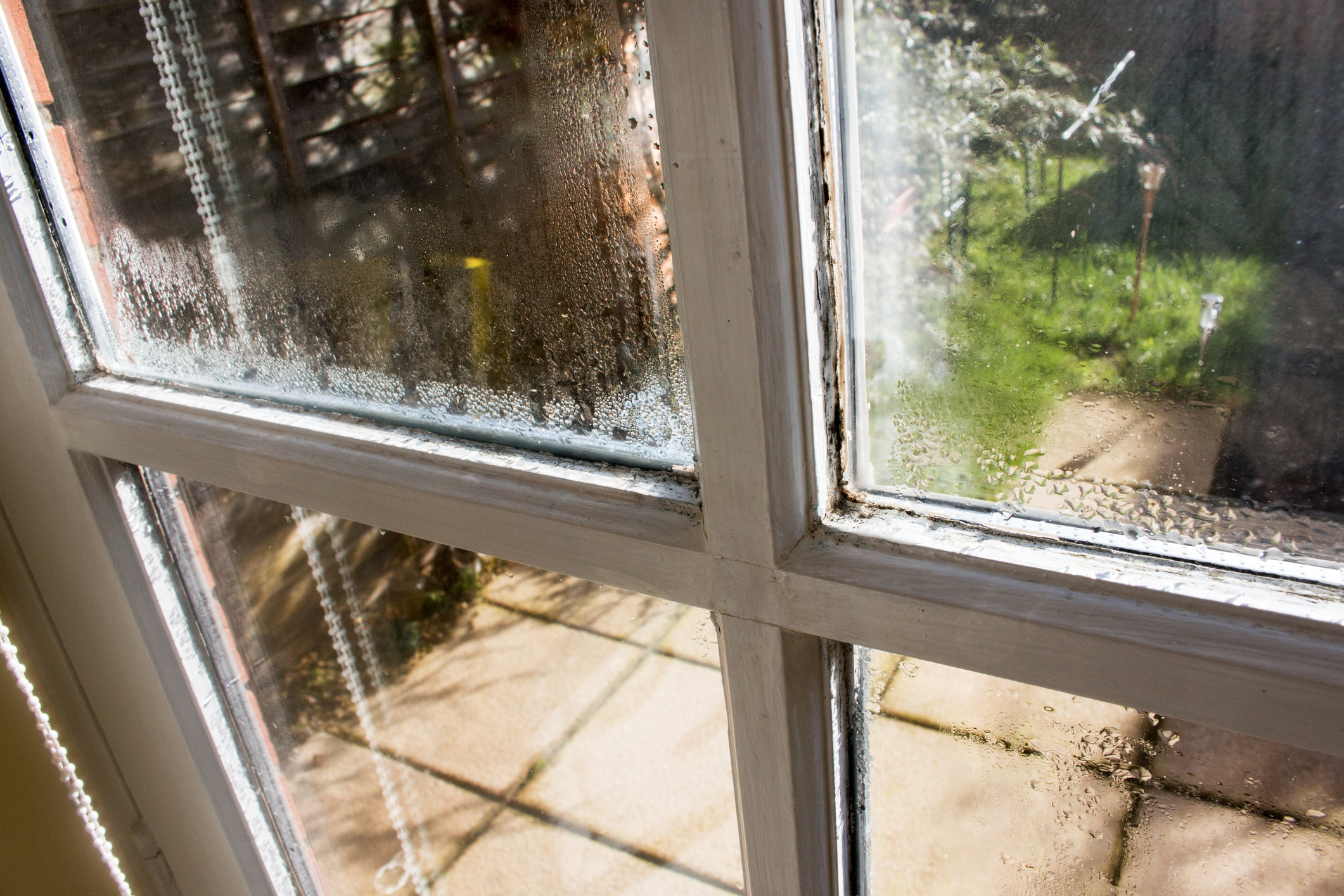
Homeowners today focus heavily on sealing their homes for energy efficiency—and for good reason. But there’s a tradeoff that often gets overlooked:
👉 A home still needs to breathe.
In Rhode Island, where we deal with coastal moisture, tight construction, and long heating seasons, poor ventilation can quickly lead to moisture buildup, mold, and indoor air quality issues.
After decades of working on homes in Newport County, this is one of the most common hidden problems I see—especially in newer or recently renovated homes.
What Is Ventilation?
Ventilation is the controlled movement of air in and out of your home.
The goal is simple:
- Bring in fresh outdoor air
- Remove stale, contaminated indoor air
This continuous air exchange improves:
- Indoor air quality
- Moisture control
- Overall comfort
Modern homes are built tighter than ever, which makes proper ventilation systems more important than ever.
What Happens When a Home Lacks Ventilation?
When air cannot move freely, pollutants get trapped inside the home.
Common issues include:
- Moisture buildup
- Mold and mildew
- Cooking grease and airborne particles
- Chemical residue from cleaners and materials
Over time, this can:
- Affect respiratory health
- Create persistent odors
- Damage building materials
Winter Risk (Important in Rhode Island)
During colder months, the risk increases:
- Homes are sealed tightly
- Heating systems and fireplaces are in use
- Air exchange is reduced
⚠️ In these conditions, carbon monoxide can build up quickly, especially in airtight homes. Proper ventilation and working detectors are critical.
How Tight Is Your Home?
Many homeowners don’t realize how airtight their home has become.
A blower door test can measure:
- Air leakage
- Overall home tightness
- Where improvements are needed
This is especially useful after:
- Renovations
- Insulation upgrades
- Window replacements
Where Should Ventilation Be Installed?
At a minimum, every home should have:
- Bathroom exhaust fans (vented outdoors)
- Kitchen range hood (vented outdoors—not into the attic)
These help control moisture in high-use areas.
However, in tighter homes, this is often not enough.
Whole-House Ventilation Systems
To properly manage airflow throughout the home, a whole-house ventilation system is often required.
There are four primary types:
- Exhaust systems – Pull stale air out
- Supply systems – Push fresh air in
- Balanced systems – Do both
- Energy Recovery Ventilators (ERV/HRV) – Exchange air while maintaining efficiency
These systems improve air quality across the entire home—not just isolated rooms.
Final Thought
Energy efficiency is important—but without proper ventilation, it can create new problems.
In Rhode Island homes, especially along the coast or in tightly sealed structures, proper airflow is essential to:
- Prevent moisture damage
- Maintain healthy indoor air
- Protect the long-term condition of the home