
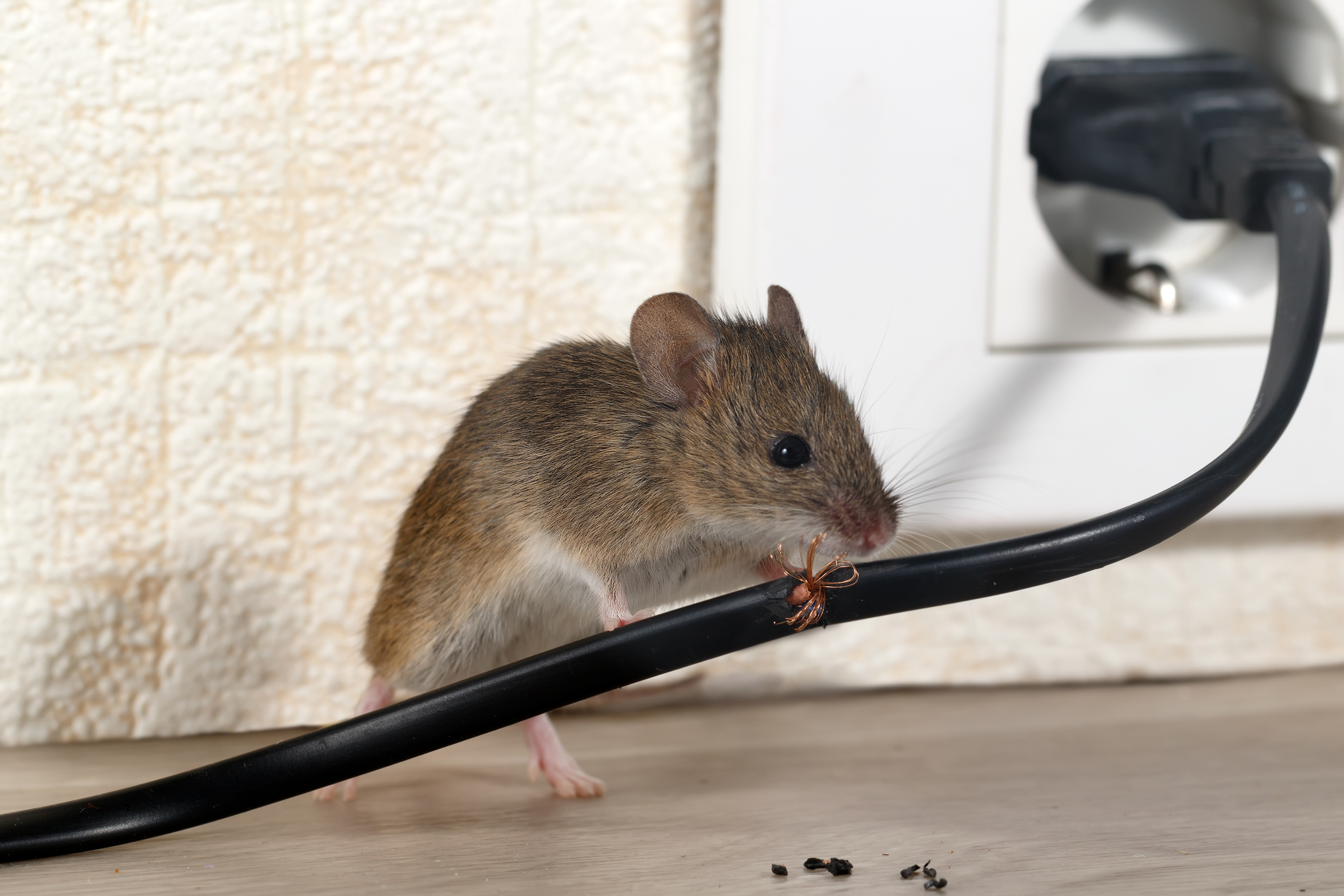
When temperatures drop in Rhode Island, it’s not just people looking to get indoors—rats, mice, and squirrels are doing the same.
Once inside, these pests can cause damage to insulation, wiring, and structural components. In many homes throughout Newport County, pest issues are directly tied to small openings and maintenance items that go unnoticed.
Here’s how to identify, remove, and prevent pests from getting into your home.
Inspect Common Problem Areas
Pests typically enter through overlooked or vulnerable areas of the home.
Check these locations first:
- Attic
- Garage
- Crawl spaces
- Roofline and soffits
Look for signs of activity:
- Droppings
- Strong or unusual odors
- Gnaw marks
- Nesting materials
- Small holes leading outside
If you hear scratching or movement at night, especially in walls or ceilings, there’s a good chance something has moved in.
💡 Important:
Tree limbs close to the roof act as a direct access point—squirrels and rodents use them like a bridge.
Remove Existing Pests Safely
If pests are already inside, removal needs to be handled carefully.
⚠️ Do not seal entry points first
You can trap animals inside, leading to odor issues and further damage.
Removal options:
- Snap traps
- Live traps (more humane option)
- Professional pest control services
If you have children or pets, safer, controlled methods are recommended.
Seal All Entry Points
Once pests are removed, sealing the home is critical.
Rodents can enter through openings as small as ¼ inch.
Common entry points:
- Gaps in siding
- Openings around pipes and vents
- Damaged flashing
- Holes near the foundation
- Roofline and soffit gaps
Materials to use:
- Expanding foam (for small gaps)
- Wire mesh or hardware cloth
- Metal flashing (more permanent solution)
This is one of the most effective long-term solutions.
Maintain the Exterior of Your Home
Your yard and exterior conditions play a major role in attracting—or preventing—pests.
Best practices:
- Trim tree branches at least 6 feet from the roof
- Keep gutters clean (standing debris attracts pests)
- Store firewood away from the house
- Keep trash cans sealed tightly
- Clean and cover grills
Reducing food, water, and shelter sources makes your home far less attractive to pests.
Why Pest Problems Are Common in Rhode Island Homes
In this region, several factors increase risk:
- Older homes with natural gaps and aging materials
- Coastal conditions that accelerate wear
- Seasonal temperature swings driving animals indoors
Many pest issues are actually building envelope problems, not just animal problems.
Final Thought
Keeping pests out isn’t just about removal—it’s about sealing and maintaining your home properly.
In Rhode Island homes, especially older ones, small openings can quickly turn into bigger problems if left unchecked.
Addressing entry points early can prevent:
- Insulation damage
- Wiring issues
Structural deterioration