
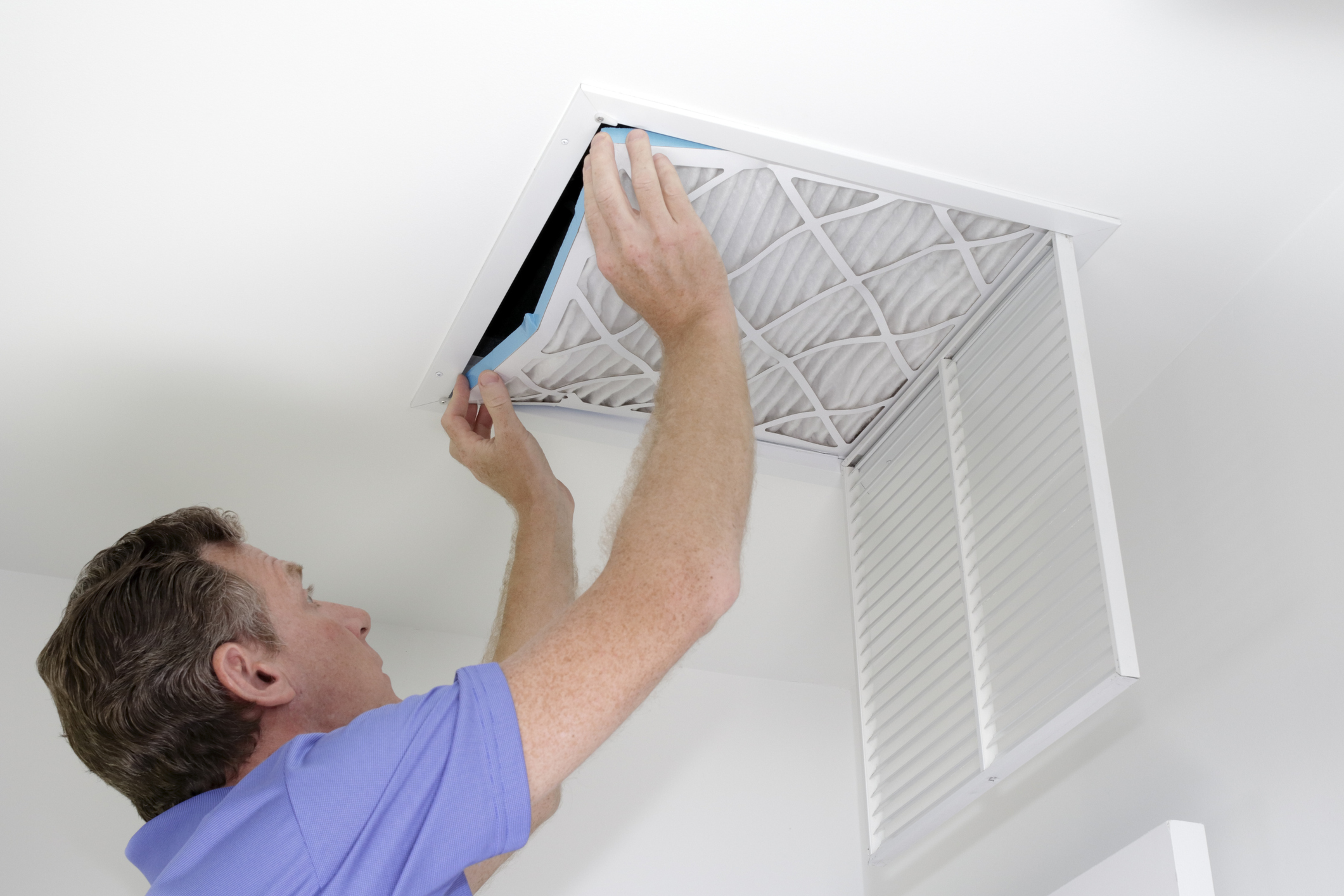
Did you know your air filter is one of the most important—and most overlooked—components of your home’s heating and cooling system?
In Rhode Island, especially in coastal areas, air filters tend to clog faster due to salt air, humidity, pollen, and long heating seasons. If not changed regularly, your HVAC system has to work harder, which reduces efficiency and can shorten its lifespan.
Here’s what every homeowner should know.
What Is an Air Filter?
An air filter is typically pleated and made from materials like polyester or fiberglass. Its job is to:
- Capture dust, allergens, and airborne particles
- Protect your HVAC system from buildup
- Improve indoor air quality
As the filter collects debris, airflow becomes restricted. A dirty filter forces your system to work harder to pull air through, reducing efficiency and increasing wear on the equipment.
How Often Should You Change Your Air Filter?
Air filters get dirty at different rates depending on the home and the season.
General guidelines:
- Every 30 days → Homes with pets, coastal exposure, or ongoing work
- Every 60–90 days → Typical residential use
- More frequently during peak heating (winter) and cooling (summer)
💡 Tip:
Tie it to your monthly electric bill or set a reminder on your thermostat to stay consistent.
What Type of Air Filter Should You Buy?
Start by checking the size of the current filter in your system. Replacement filters are available at most home improvement stores in a range of options.
Filters are rated by MERV (Minimum Efficiency Reporting Value):
- Lower MERV = better airflow, less filtration
- Higher MERV = better filtration, more restriction
⚠️ Important:
Many systems—especially in older Rhode Island homes—cannot handle high MERV filters. Using one that’s too restrictive can reduce performance.
Best practice:
- Match the exact size
- Follow your system manufacturer’s recommendation
- Use a mid-range MERV (8–11) in most cases
How Do You Change an Air Filter?
- Turn off the HVAC system at the thermostat or breaker
- Locate the filter (return grille or near the air handler)
- Remove the old filter
- Install the new filter with arrows pointing in the direction of airflow
- Turn the system back on
Keep in mind, some homes have multiple filters in different locations.
What Happens If You Don’t Change It?
A neglected air filter can lead to:
- Higher energy bills
- Reduced airflow
- Uneven heating or cooling
- Premature HVAC system wear or failure
This is one of the simplest maintenance items, yet one of the most common issues found in homes throughout Newport County.
Final Thought
Changing your air filter regularly is one of the easiest and most cost-effective ways to protect your HVAC system and maintain healthy indoor air.
In Rhode Island’s climate, staying on top of it makes a noticeable difference.